
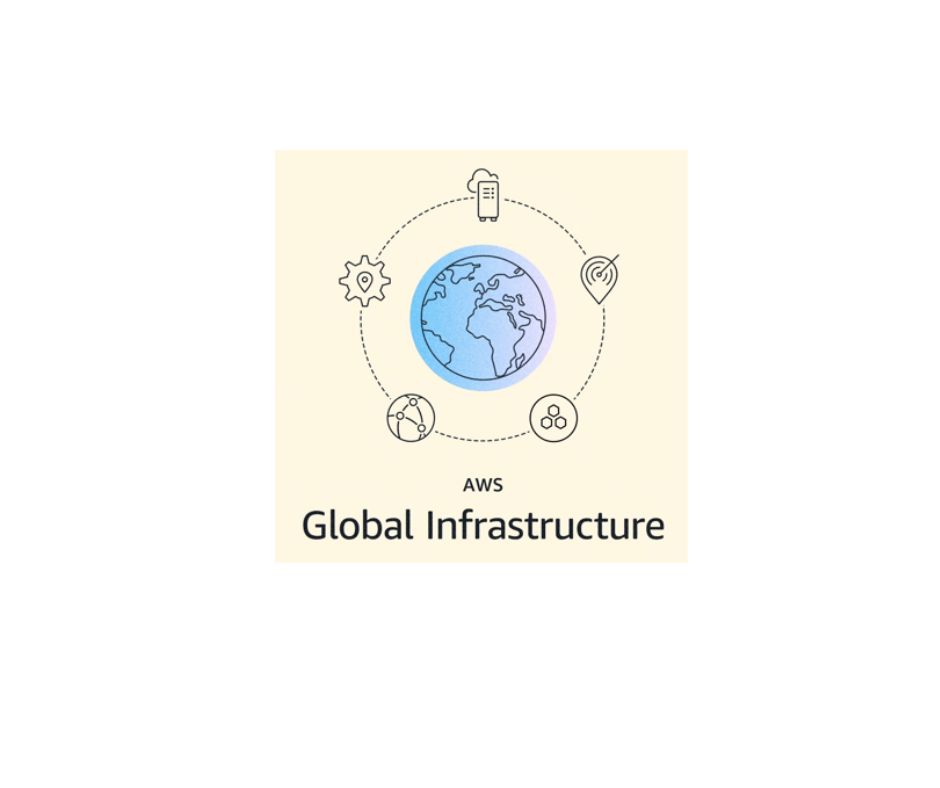

AWS Global Infra
AWS - Global Infra & Service Type ဆိုတဲ့ ခေါင်းစဉ်နဲ့ ၂၀၂၅ ဒီဇင်ဘာမှာရေးထားဖူးတဲ့ article ကို အရင်ဆုံး ဖတ်ချင်တယ်ဆိုရင် အောက်ပါလင့်မှ တစ်ဆင့် ဖတ်နိုင်ပါတယ်။ https://www.learndevopsnow-mm.blog/en/articles/aws-global-infra-service-type-dec-7-2025/
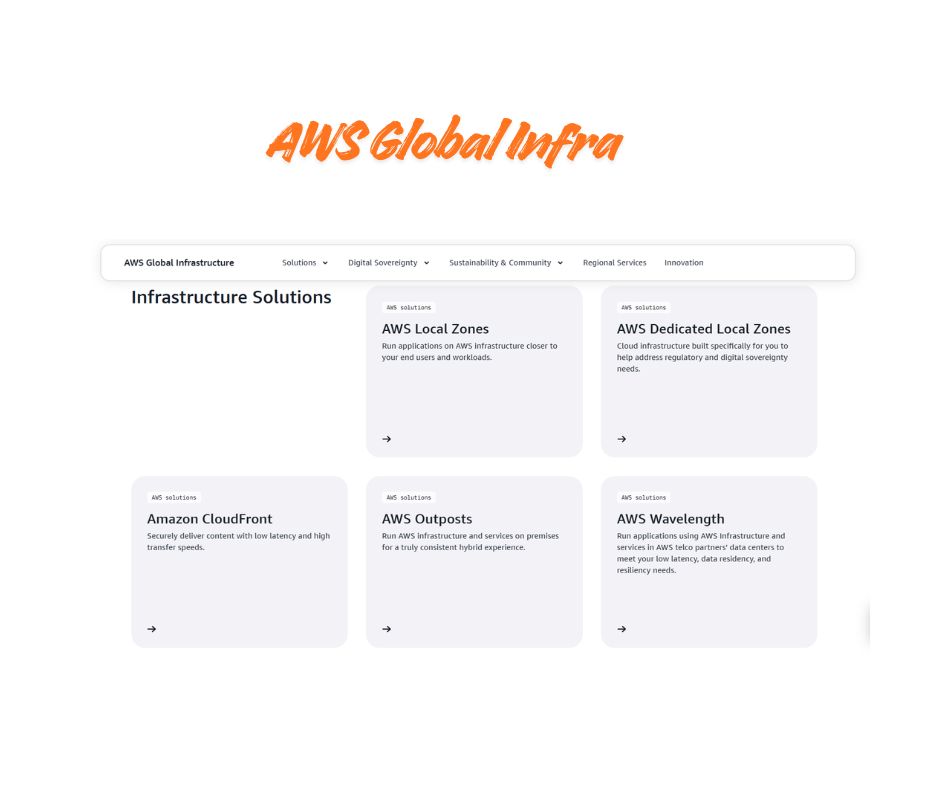
ဒီ post မှာတော့ AWS Global Infrastructure Solution ကို ထပ်ဖြည့်ပေးသွားချင်ပါတယ်။
AWS Global Infrastructure ဆိုတာက Amazon Web Services ရဲ့ global cloud services တွေကို run နဲ့ manage လုပ်ဖို့အတွက် တည်ဆောက်ထားတဲ့ infrastructure network ဖြစ်ပြီး လက်ရှိအချိန်မှာ AWS ဟာ Availability Zones 123 ခုနဲ့ Regions 39 ခုကို အသုံးပြုကာ service ပေးနေပါတယ်။ AWS မှာ infrastructure design လုပ်တဲ့အခါ Core Infrastructure ဖြစ်တဲ့ Region နဲ့ Availability Zones (AZs) တွေတင်မကပဲ Edge Infrastructure solution တွေဖြစ်တဲ့ Local Zones, Wavelength Zones နဲ့ Outposts စတဲ့ တွေကိုပါ use case ပေါ်မူတည်ပြီး ထည့်သွင်းကာ ရွေးချယ်အသုံးပြုနိုင်ပါတယ်။
Core Infrastructure
Availability Zones (AZs) ဆိုတာကတော့ Region တစ်ခုအတွင်းရှိ physical data centers များဖြစ်ပြီး compute, storage, networking နဲ့ database resources တွေကို host လုပ်ထားတဲ့နေရာဖြစ်ပါတယ်။ AZ တစ်ခုချင်းစီကို low latency fiber connection တွေနဲ့ချိတ်ဆက်ထားပြီး power နဲ့ network ကို သီးခြားစီ စီမံထားတာကြောင့် AZ တစ်ခု failure ဖြစ်ခဲ့သော် အခြား AZs တွေကို မထိခိုက်ပဲ high availability ရရှိစေပါတယ်။ ထို့ကြောင့် production workloads တွေမှာ multi-AZ deployment လုပ်ခြင်းက အရေးကြီးဆုံးတဲ့ best practice တစ်ခုဖြစ်ပါတယ်။
Region ဆိုတာက AZ များစုစည်းထားတဲ့ geographic area တစ်ခုဖြစ်ပြီး အနည်းဆုံး AZ ၃ ခုနဲ့အထက် ပါဝင်ပါတယ်။ Region တစ်ခုချင်းစီဟာ independent ဖြစ်ပြီး latency လျော့နည်းစေဖို့ user တွေနဲ့ နီးတဲ့ Region ကို ရွေးချယ်အသုံးပြုကြပါတယ်။ သို့သော် customer အသုံးပြုလိုတဲ့ AWS service တွေက အဲ့ Region ထဲမှာ available ဖြစ်မဖြစ်ကိုလည်း စစ်ဆေးဖို့ လိုအပ်ပါတယ်။ ဒီအချက်ကို AWS ရဲ့ official page သို့ အောက်ပါလင့်မှလဲ အလွယ်တကူ စစ်ဆေးနိုင်ပါတယ်။ https://aws.amazon.com/about-aws/global-infrastructure/regional-product-services/
ထို့အပြင် Region တစ်ခုချင်းစီမှာ pricing ကွာခြားနိုင်တာကြောင့် Service Availability, Pricing နဲ့ Compliance Requirements တို့ကို အပြည့်အဝ စဉ်းစားပြီး Region ကို ရွေးချယ်သင့်ပါတယ်။
Edge Infrastructure
AWS Edge Infrastructure ကတော့ latency ကို လျော့ချပေးပြီး user experience ကို မြှင့်တင်ပေးဖို့ ရည်ရွယ်ထားပါတယ်။
Local Zones ဆိုတာက AWS ရဲ့ fully managed and supported edge infrastructure solution တစ်ခုဖြစ်ပြီး AWS services များကို large population, industry hubs နဲ့ IT centers တွေအတွင်းမှာ user တွေနဲ့ ပိုနီးကပ်အောင် service ပေးထားပါတယ်။ အဲ့တာကြောင့် latency ကို လျော့ချနိုင်ပြီး single-digit millisecond response time ရရှိစေပါတယ်။ Local Zones တွေဟာ AWS Region ကို extend လုပ်ထားတဲ့ service တစ်ခုဖြစ်ပြီး parent Region နဲ့ dedicated, high-bandwidth connection ဖြင့် ချိတ်ဆက်ထားပါတယ်။
Local Zones ကို gaming, live streaming, AR/VR စတဲ့ latency-sensitive applications များမှာ အသုံးပြုကြပြီး user experience ကို ပိုမိုကောင်းမွန်စေပါတယ်။ ထို့အပြင် data residency requirement ရှိသော industries များအတွက်လည်း data ကို သတ်မှတ်ထားသော geographic location အတွင်းမှာပဲ ထိန်းသိမ်းနိုင်စေတဲ့အတွက် အရေးကြီးတဲ့ solution တစ်ခုဖြစ်ပါတယ်။ လက်ရှိမှာတော့ Local Zones များကို US အတွင်း 17 zone နဲ့ Bangkok အပါအဝင် US ပြင်ပတွင် 18 zone နဲ့ service ပေးထားပါတယ်။
လက်ရှိ Local Zones များကို စစ်ဆေးကြည့်ရှုလိုပါက အောက်ပါ link တွင် ဝင်ရောက်ကြည့်နိုင်ပါတယ်။
https://aws.amazon.com/about-aws/global-infrastructure/localzones/locations/
AWS Wavelength Zones ဆိုတာက AWS infrastructure ကို telecom providers ရဲ့ 5G network edge အတွင်းမှာ တိုက်ရိုက် deploy လုပ်ထားတဲ့ edge infrastructure solution တစ်ခုဖြစ်ပါတယ်။ ဒီနည်းလမ်းဖြင့် mobile devices များက AWS services များကို public internet မဖြတ်ဘဲ telecom network အတွင်းမှ တိုက်ရိုက် access လုပ်နိုင်တာကြောင့် latency ကို အနည်းဆုံးထိ လျှော့ချနိုင်ပါတယ်။ ultra-low latency လိုအပ်သော mobile applications များအတွက် အထူးသင့်တော်ပြီး real-time processing, IoT systems နှင့် AR/VR applications များမှာ အသုံးပြုကြပါတယ်။
လက်ရှိမှာတော့ AWS Wavelength ကို ကမ္ဘာတစ်ဝှမ်းရှိ မြို့များတွင် telecom partners များဖြစ်သော Bell, British Telecom, KDDI နှင့် Verizon တို့နဲ့ ပူးပေါင်းကာ ဖြန့်ချိထားပြီး AWS Parent Region နဲ့ ချိတ်ဆက်အသုံးပြုနိုင်ပါတယ်။ Wavelength Zones ကို အသုံးပြုလိုပါက AWS Console မှ Opt-in ပြုလုပ်ပြီး သက်ဆိုင်ရာ Region အတွင်း enable လုပ်နိုင်ပါတယ်။
Wavelength Zones ကို စတင်အသုံးပြုလိုပါက အောက်ပါ Getting Started guide မှတစ်ဆင့် လေ့လာနိုင်ပါတယ်။
https://aws.amazon.com/wavelength/getting-started/
လက်ရှိ available Wavelength Zones များကို စစ်ဆေးကြည့်ရှုလိုပါက အောက်ပါ link တွင် ဝင်ရောက်ကြည့်နိုင်ပါတယ်။ https://aws.amazon.com/wavelength/locations/
AWS Outposts ကတော့ AWS ရဲ့ fully managed service တစ်ခုဖြစ်ပြီး AWS infrastructure, services, APIs နဲ့ tools များကို on-premises environment (မိမိ data center) ဆီသို့ တိုက်ရိုက် တပ်ဆင်အသုံးပြုနိုင်အောင် ပံ့ပိုးပေးတဲ့ solution ဖြစ်ပါတယ်။ ဒါကြောင့် AWS cloud experience ကို on-premises မှာပါ တူညီစွာ အသုံးပြုနိုင်ပြီး hybrid cloud architecture တည်ဆောက်ရာမှာ အရေးကြီးတဲ့ role တစ်ခု ဖြစ်ပါတယ်။ Outposts အတွက် hardware ကို AWS မှ တိုက်ရိုက် ပို့ဆောင်တပ်ဆင်ပေးပြီး installation, maintenance, patching နဲ့ updates များကို AWS က စီမံခန့်ခွဲပေးပါတယ်။ User များအနေဖြင့် AWS Console, APIs နဲ့ tools များကို အသုံးပြုပြီး cloud နဲ့ on-premises resources များကို တစ်နေရာတည်းမှ စီမံခန့်ခွဲနိုင်ပါတယ်။ AWS Outposts ကို server (1U/2U) နှင့် rack (42U) စတဲ့ form factors မျိုးစုံဖြင့် ရရှိနိုင်ပြီး use case နှင့် workload အလိုက် ရွေးချယ်အသုံးပြုနိုင်ပါတယ်။
AWS Outposts ကို အသုံးပြုခြင်းဖြင့် applications နဲ့ workloads များကို local environment မှာ run လုပ်နိုင်ပြီး AWS Region အတွင်းရှိ services များနှင့်လည်း ချိတ်ဆက်အသုံးပြုနိုင်ပါတယ်။ ထို့အပြင် low latency လိုအပ်သော workloads များ၊ real-time processing လိုအပ်သော systems များနှင့် data residency requirement ရှိသော use cases များအတွက် သင့်တော်ပါတယ်။
AWS Global Infrastructure တွင် Content Delivery Network (CDN) layer အတွက် Edge Locations နှင့် Regional Edge Caches များသည် အရေးကြီးသော အစိတ်အပိုင်းများဖြစ်ပါသည်။
CDN- Edge Locations
Edge Locations များသည် ကမ္ဘာတစ်ဝှမ်းရှိ user များနီးနားတွင် တည်ရှိပြီး Amazon CloudFront ကဲ့သို့သော service များမှ content များကို cache လုပ်ပေးခြင်းအားဖြင့် latency ကို လျော့ချပေးပြီး user experience ကို မြှင့်တင်ပေးပါသည်။
CDN- Regional Edge Caches
Regional Edge Caches များသည် Edge Locations နှင့် origin server ကြားတွင် တည်ရှိသော intermediate caching layer ဖြစ်ပြီး cache capacity ပိုကြီးသောကြောင့် cache hit ratio ကို တိုးမြှင့်ပေးနိုင်ပါသည်။ ထို့ကြောင့် origin server သို့ request များသွားရောက်မှုကို လျှော့ချနိုင်ပြီး overall performance ကို ပိုမိုကောင်းမွန်စေပါသည်။ အဲ့တော့ဆိုရင်တော့ ဒီပိုစ့်ကနေ AWS Global Infrastructure အကြောင်းကို ပိုမိုနားလည်စေမယ်လို့ မျှော်လင့်ပါတယ်။ ကျေးဇူးတင်ပါတယ်။
Discussion
Join the conversation
How do you feel about this article?
Comments
Sign in to join the conversation
Sign in to be the first to comment!
Share Your Article
Share with your professional network
Recent Articles
Day 1 - Software Development ကို ပိုပြီးမြန်စေမယ့် CI/CD
Software တစ်ခုရေးပြီးပြီဆိုရင် "ငါ့စက်ထဲမှာတော့ အလုပ်လုပ်တယ်" ဆိုရုံနဲ့ မပြီးသေးပါဘူး။ User တွေသုံးမယ့် Server ပေါ်ရောက်...

Secure AWS ECR Github Action Using OIDC
Modern DevOps နှင့် Cloud Security တို့မှာ အဓိကဖြစ်လာသည့် Authentication System ယနေ့ခေတ် DevOps, Cloud Engineering, CI/C...

Manual vs Automated Infrastructure: Why "useradd" Still Matters in the Terraform Era
DevOps careerကို လျှောက်နေတဲ့သူတိုင်း Terraform၊ Ansible စတဲ့ Infrastructure as Code (IaC) tools တွေရဲ့ အလုပ်လုပ်နိုင်စွ...


From Surviving to Thriving
“AI ကြောင့် developer အလုပ်ပျောက်သွားမလား?” ဆိုတဲ့ မေးခွန်းကို Junior developer တိုင်း စဉ်းစားဖူးကြမှာပါ။ ဈေးကွက်အခြေအနေ...

Production Grade AKS Secret Management Using Azure Key Vault and Managed Identity
ကျွန်တော်တို့ Application တွေမှာ အသုံးပြုတဲ့ .env (Sensitive Data) တွေကို secure ဖြစ်အောင် manage လုပ်ဖို့ဆိုတာ DevOps တ...